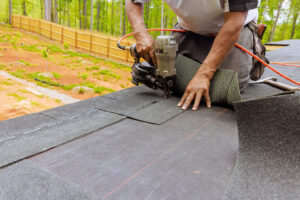
7 Signs You Need Roof Repair in Bergen County, NJ
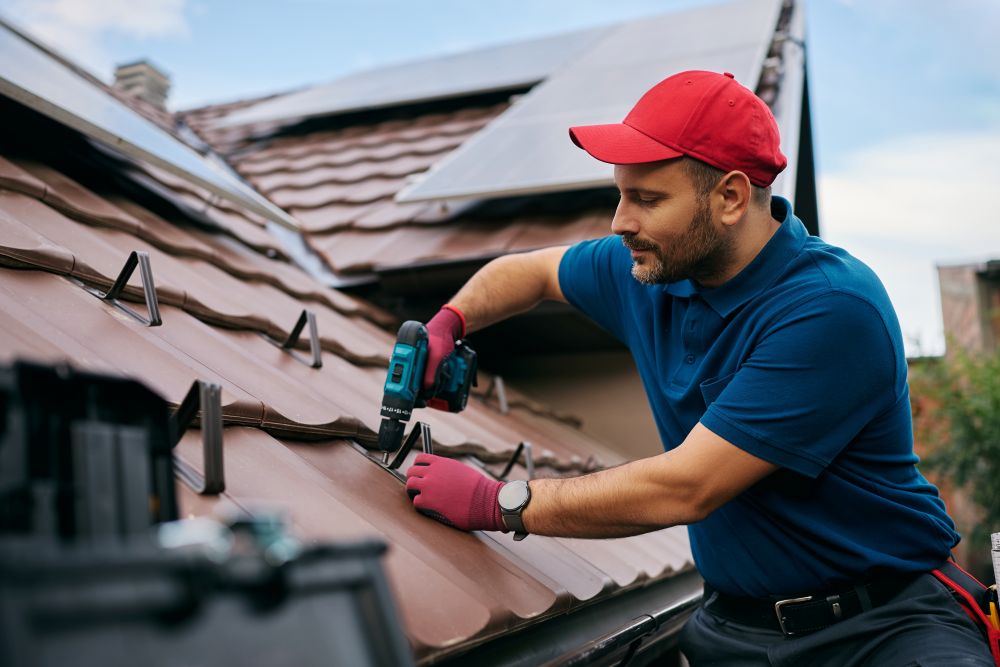
Roof Repair in Bergen County, NJ
Your roof protects your home from rain, snow, wind, and changing temperatures throughout the year. But roofing problems don’t always begin with a major leak. Sometimes, the first signs are a missing shingle, a small ceiling stain, or water collecting in an unexpected place after a storm.
For homeowners in Bergen County, NJ, spotting these warning signs early can help prevent minor roofing issues from developing into more expensive damage. Seasonal weather, falling branches, snow, and heavy rainfall can all put stress on a roof over time.
If you’ve noticed changes to your roof or signs of moisture inside your home, it may be time to arrange a professional inspection. Here are seven common signs that your roof may need repair and what you should do next.
1. Missing, Cracked, or Curling Shingles
Shingles are your roof’s first line of defense against the weather. When they crack, curl at the edges, loosen, or disappear altogether, the layers underneath may become exposed to rain and moisture.
Take a look at your roof from the ground after a strong storm. You may notice uneven patches, bare areas, or shingle pieces in your yard. These can indicate that wind or aging materials have damaged the roof covering.
What to do: Have a roofing professional assess the affected area. Depending on the extent of the damage and the roof’s overall condition, replacing individual shingles may be sufficient.
Avoid climbing onto the roof to inspect it yourself, especially when the surface is wet or damaged.
2. Water Stains on Ceilings or Walls
Brown or yellow stains on ceilings and upper walls are common warning signs of a possible roof leak. You might also notice peeling paint, damp drywall, or a musty smell in an upstairs room or attic.
Water can travel along roof decking, rafters, and other building materials before becoming visible indoors. As a result, the stain on your ceiling may not be directly below the damaged section of the roof.
Don’t assume the problem will disappear when the weather clears. Even a small leak can continue to affect insulation, wood, and interior finishes.
What to do: Arrange an inspection to identify the source of the moisture. If water is actively entering your home, move belongings away from the affected area and contact a qualified professional promptly. Keep away from a ceiling that is bulging or sagging.
3. Your Roof Is Leaking After Rain or Snow
A leak that appears during heavy rain, melting snow, or windy weather deserves attention. You may see dripping water, damp insulation, or moisture around a chimney, skylight, or roof vent.
Leaks can develop because of damaged shingles, deteriorated flashing, failed seals, or problems around roof penetrations. Ice dams can also contribute to water backing up beneath roofing materials in winter conditions.
In Bergen County, changing weather can expose weaknesses that weren’t obvious during dry periods.
What to do: Note when the leak occurs and which room or area is affected. Photos taken from a safe location can help document the issue. A roofer can inspect the roof system and determine the appropriate repair.
Do not rely on applying sealant to a visible spot without identifying the underlying cause.
4. Flashing Around Chimneys, Skylights, or Vents Is Damaged
Flashing is the material installed around roof joints and openings to help direct water away from vulnerable areas. It is commonly found around chimneys, skylights, plumbing vents, and places where different roof sections meet.
Loose, bent, corroded, or deteriorated flashing can allow water to enter even when the shingles appear to be in good condition.
You might notice a leak near a chimney or skylight after rainfall, or discover moisture in the attic around a roof opening.
What to do: Ask a roofing professional to examine the flashing, nearby roofing materials, and surrounding seals. The correct repair depends on whether the flashing has loosened, deteriorated, or been installed incorrectly.
5. Shingle Granules Are Collecting in Your Gutters
Asphalt shingles have a protective granule surface. Some granule loss is normal as a roof ages, but large amounts of granules collecting in gutters or at downspout outlets may indicate significant wear.
You may also notice bald-looking patches on shingles or a buildup of gritty material near the ends of your downspouts.
Granule loss alone does not automatically mean the entire roof needs replacement. However, it can be a useful warning sign when combined with cracked shingles, leaks, or other visible deterioration.
What to do: Have the roof’s condition assessed, particularly if it is older or has recently experienced severe weather. Keeping gutters clear also helps you spot unusual debris and allows rainwater to drain properly.
6. The Roofline Looks Uneven or Sagging
A roofline that appears to dip, bow, or sag should never be ignored. Possible causes include structural deterioration, prolonged moisture exposure, damaged roof decking, or other problems within the roof structure.
From the ground, look for changes in the roof’s outline rather than attempting to climb up for a closer view.
A sagging roof is different from ordinary shingle wear and may indicate a more serious issue that requires prompt professional evaluation.
What to do: Contact a qualified roofing professional as soon as possible. If the roof appears unstable, avoid the affected area and do not attempt repairs yourself.
7. Your Roof Has Visible Storm Damage
Strong winds, heavy rain, hail, and falling branches can damage roofing materials without causing an immediate indoor leak. After a storm, you may notice missing shingles, damaged roof edges, debris on the roof, or sections that look different from the surrounding surface.
Even when the damage seems minor, exposed roofing layers can become vulnerable to future rainfall.
After severe weather, check your property from the ground for fallen branches, debris, and visible changes. Avoid walking beneath damaged roof sections or climbing onto the roof.
What to do: Schedule a professional inspection if you suspect storm damage. Take photographs from a safe location and keep records of any visible issues. If you plan to make an insurance claim, document the damage and review your policy’s requirements.
Roof Repair or Roof Replacement: How Do You Know Which You Need?
Not every roofing problem calls for a new roof. In many cases, a targeted repair can address the issue and help extend the roof’s useful life.
A repair may be appropriate when the damage is limited to a small area, a few shingles are missing, or a specific flashing problem can be corrected.
Replacement may be worth considering when the roof has widespread deterioration, recurring leaks in multiple areas, extensive shingle damage, or an age and condition that make repeated repairs less practical.
The decision should be based on the roof’s overall condition, the extent of the damage, and the likely cost of ongoing repairs—not age alone.
A professional inspection can help you understand your options before committing to a larger project.
What to Do When You Notice a Roofing Problem
If you suspect your roof needs attention, a few practical steps can help you respond without putting yourself at risk.
- Document what you see. Photograph ceiling stains, visible shingle damage, or debris from a safe location.
- Pay attention to timing. Note whether the problem appears after heavy rain, strong winds, or melting snow.
- Protect indoor belongings. Move furniture and valuables away from active leaks when it is safe to do so.
- Arrange a professional inspection. An experienced roofer can investigate the source of the problem and explain the available repair options.
- Address the cause, not just the symptom. A ceiling stain or damp patch may be the result of a roofing problem elsewhere.
Prompt attention can help prevent a small issue from affecting additional parts of your home.
Why Bergen County Homeowners Should Take Roof Damage Seriously
Homes in Bergen County, NJ, experience a range of seasonal conditions, including winter snow, freezing temperatures, spring rainfall, summer storms, and falling leaves in autumn. Over time, these conditions can contribute to wear on shingles, flashing, roof joints, and drainage systems.
The condition of your gutters also matters. When gutters or downspouts become clogged, rainwater may overflow near the roof edge or collect around parts of the home where proper drainage is important.
Roofing and gutter issues can sometimes occur together, so it makes sense to consider both when investigating signs of water damage.
If you’re concerned about your roof, Gary’s Gutter Service can be a starting point for discussing your property’s roofing and gutter needs. Contact the company to confirm which inspection and repair services are currently available in your area.
Need Roof Repair in Bergen County, NJ?
Don’t let a small roofing issue turn into a bigger problem. From missing shingles and damaged flashing to leaks after heavy rain, identifying roof damage early can help you make informed repair decisions.
Gary’s Gutter Service provides roof inspections and roof repair services in Bergen County, NJ. Contact the team to discuss your roofing concerns and determine the next steps for your home.
Schedule your roof inspection with Gary’s Gutter Service today.
Frequently Asked Questions About Roof Repair in Bergen County, NJ
1. How do I know if my roof needs repair?
Common warning signs include missing or curling shingles, water stains on ceilings, leaks after rainfall, damaged flashing, excessive shingle granules, and visible storm damage. A professional inspection can help determine the cause and the appropriate next step.
2. How much does roof repair cost in Bergen County, NJ?
The cost depends on the type of damage, the roofing materials, the location of the problem, roof accessibility, and the amount of work required. A small shingle repair generally involves a different scope of work from repairing a leak around a chimney or replacing damaged roof decking. Request an itemized estimate for your specific property.
3. Should I repair my roof or replace it?
A repair may be sufficient when damage is limited and the rest of the roof remains in good condition. Replacement may be more practical when damage is widespread, leaks keep returning, or the roofing system has deteriorated substantially. An inspection can help clarify which option makes sense.
4. Can a roof leak occur without visible shingle damage?
Yes. Water can enter around flashing, chimneys, skylights, vents, roof joints, or other vulnerable areas. Water may also travel along building materials before appearing on a ceiling, so the visible stain may be some distance from the source.
5. When should I inspect my roof after a storm?
Check for visible signs of damage from the ground once conditions are safe. If you see missing shingles, fallen branches, leaks, or other concerns, arrange a professional inspection promptly. Avoid climbing onto a wet, icy, or storm-damaged roof.
6. Can clogged gutters contribute to roofing problems?
Clogged gutters can prevent water from draining correctly and may contribute to overflow, moisture issues, and problems around roof edges. Keeping gutters and downspouts clear is an important part of caring for the roof drainage system.
Schedule Roofing Help Before the Damage Gets Worse
A missing shingle or small leak may not seem urgent at first, but roofing problems can become more complicated when moisture continues to enter the home. Knowing what to look for helps you take action before the damage spreads.
If you have noticed warning signs on your roof, arrange an assessment with a qualified professional and ask for a clear explanation of the recommended work.
For homeowners in Bergen County, NJ, addressing roofing concerns early can help protect the property and make repair decisions easier to manage.
The Best Tips to Prevent Gutters from Clogging