
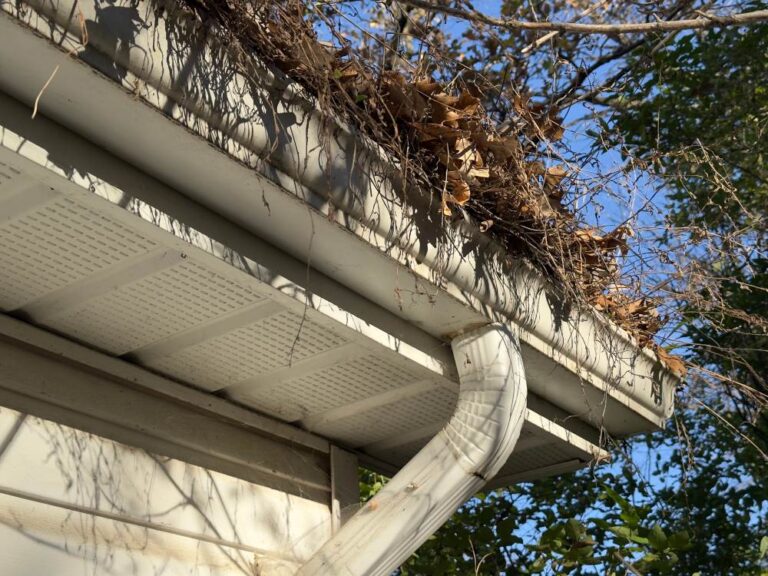
Gutters might not be the most glamorous part of your home, but they play a vital role in protecting your house from water damage. One clogged gutter can lead to a cascade of problems—from flooding basements to a damaged roof. But here’s the good news: with just a little bit of maintenance, you can prevent gutters from clogging and keep your home safe from water-related disasters.
Ready to take control of your gutters? Here are the best tips to prevent them from clogging, saving you time, money, and a lot of headaches!
1. Clean Your Gutters Regularly (Yes, really!)
We get it: cleaning gutters is one of those chores that’s easy to put off. But trust us, it’s one of the best ways to prevent clogs! Aim to clean your gutters at least twice a year—in spring and fall—when leaves and debris tend to accumulate. If you live in a heavily wooded area, you might need to clean them more often.
Pro Tip: Use a ladder safely and wear gloves to remove leaves, twigs, and other debris. Or, hire a professional if you’d rather skip the ladder!
2. Install Gutter Guards for Extra Protection
If cleaning your gutters feels like a never-ending battle, gutter guards could be your secret weapon. These mesh covers fit over your gutters and keep debris out while allowing water to flow freely. They come in a variety of materials and styles, so you can choose the one that fits your home best.
The best part? Gutter guards can significantly reduce the amount of maintenance needed, meaning fewer clogs and less cleaning for you!
3. Trim Overhanging Branches
If you’ve got trees near your house, trim those overhanging branches! Leaves and twigs falling from trees are one of the biggest culprits when it comes to gutter clogs. By trimming branches, you reduce the amount of debris that ends up in your gutters.
Bonus: Trimming branches also keeps them from rubbing against your roof or gutters, preventing potential damage!
4. Check for Gutter Sloping Issues
Believe it or not, a clogged gutter might not always be caused by leaves—sometimes it’s a sloping issue! Gutters need to have a slight slope toward the downspouts to ensure water flows freely. If the slope is off, water can pool and debris can build up, causing clogs.
Check that your gutters have the right slope (around ¼ inch for every 10 feet of gutter) and adjust if necessary. A well-sloped gutter helps water flow smoothly and reduces the risk of blockages.
5. Flush Downspouts with Water
Sometimes, it’s not the gutters themselves that are the issue, but the downspouts! Over time, downspouts can become clogged with dirt, leaves, or even small critters. To keep them clear, flush your downspouts with water regularly using a hose. This simple step ensures they stay clear, allowing rainwater to drain quickly and preventing a backup.
If you notice that water isn’t draining properly, try using a plumber’s snake to clear any stubborn blockages.
6. Use a Gutter Cleaning Tool or Vacuum
For those who want to take gutter cleaning to the next level, consider investing in a gutter cleaning tool or a specially designed vacuum attachment. These tools are designed to help you clean out debris without having to climb a ladder, making the process safer and easier.
Plus, some of these tools are designed to work with your leaf blower or shop vac, making them super convenient!
7. Install a Gutter System with Larger Downspouts
If your gutters regularly clog even with regular maintenance, it could be time to upgrade your system. Consider larger downspouts or a more robust gutter system designed to handle heavy rainfall. Bigger downspouts mean more water can flow through without getting stuck.
This upgrade can be especially helpful if you live in an area with frequent storms or a lot of tree cover.
8. Seal Gutter Joints and Leaks
Water can sneak through small cracks or leaks in your gutters, which can lead to debris buildup in those spots. Seal any cracks or joints using silicone sealant or a similar product. This ensures that water flows properly through your gutters without pooling in places where debris can collect.
A little preventative sealing goes a long way in maintaining the integrity of your system and preventing clogs.
9. Check for and Repair Sagging Gutters
Sometimes, gutters sag or pull away from the house due to damage or too much debris buildup. When gutters sag, they don’t drain water properly, leading to clogs and overflow. If you notice your gutters sagging, make sure to repair them by adjusting the hangers or replacing damaged sections. Keeping your gutters level ensures proper water flow and reduces the risk of blockages.
10. Consider a Professional Gutter Inspection
If you’re unsure about the condition of your gutters or need a little extra peace of mind, schedule a professional gutter inspection. A professional can spot any potential issues early, from gutter damage to downspout problems, and recommend solutions to keep your gutters working like new.
Keep Your Gutters Clear and Save Big!
Clogged gutters are more than just an eyesore—they can cause major water damage to your home. The good news is that with a little bit of effort and a few preventative measures, you can keep your gutters clean and flowing freely.
From regular cleaning to installing gutter guards, these tips will help prevent clogs and save you from costly repairs down the road. So, get ahead of the game, and make sure your gutters are always in top shape—because a clog-free gutter is a happy, healthy home!
At Gary’s Gutter Service, we deliver reliable gutter solutions designed to protect your property all year round. From professional gutter cleaning and blockage removal to expert repairs and full replacements, our team ensures your guttering system works efficiently and safely. No matter the issue, we’re here to provide fast, effective, and affordable service. Get in touch today and let us help keep your home protected from water damage.Top of Form